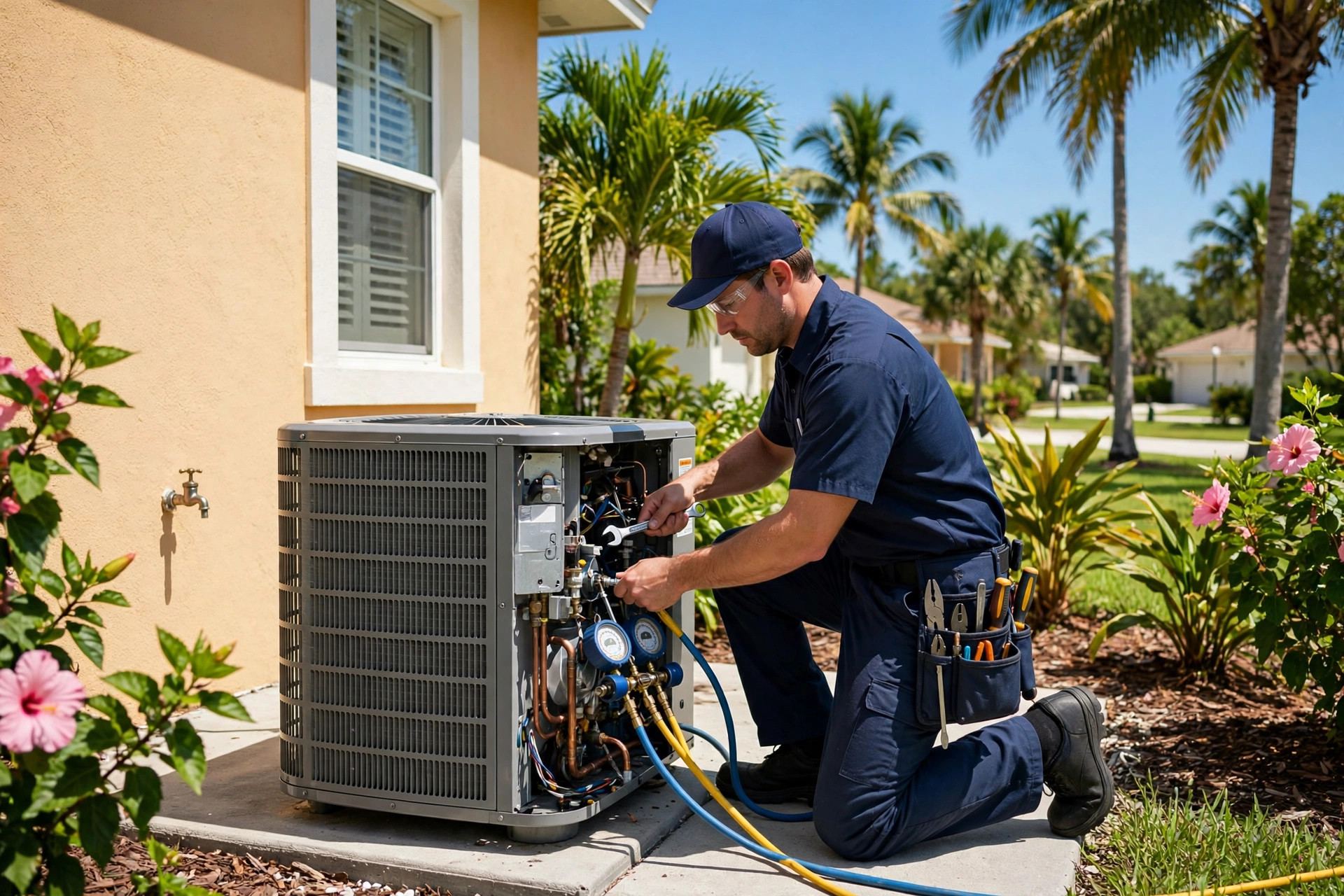
Yes — AC repair coupons can save you real money, sometimes $50 or more off a single repair. But they can also lure you into a high-pressure sales pitch that costs far more than the coupon was worth. The difference comes down to understanding how HVAC deals actually work, reading the fine print, and knowing which red flags mean you should walk away.
One honest note before we start: at the time of writing, Marco Island AC Services does not publish coupons, discounts, or named maintenance plans on this website. This guide explains how these offers work across the HVAC industry so you can shop them smartly anywhere — and if you would like to ask whether any current offers exist, you can call us at +1 (239) 880-1889.
How AC Repair Coupons Actually Work
HVAC coupons are marketing tools. Companies use them to win new customers, fill slow-season schedules, and turn one-time visitors into long-term clients. That does not make them scams — it just means you should understand the mechanics.
Here are the most common coupon types, based on what Florida HVAC companies actually advertise:
- Dollar-off repair coupons — for example, $50 off a qualifying repair of $300 or more. The diagnostic fee is usually excluded, and it is one coupon per customer, residential only.
- Free diagnostic with repair — the diagnostic fee (commonly $49–$129) is waived when you authorize the recommended repair. You pay nothing extra if they fix it.
- Tune-up specials — a discounted seasonal maintenance visit, often $79–$99 versus a standard $150-ish rate. Multi-point inspection, coil cleaning, refrigerant check, electrical testing.
- Military, veteran, and senior discounts — 10% off service-call repairs is a common standing offer. Mention it when you book; verification happens on the invoice.
Where do these coupons live? On contractors' "Specials" pages, in email newsletters (first-time-customer codes like $25 off a first repair are common), and in seasonal events — spring and fall promotions are the industry's big windows.
A note on AC maintenance: a tune-up coupon covers preventive maintenance on a system that is currently working. If your AC is blowing warm air or making strange noises, you need a diagnostic visit, not a tune-up coupon — and reputable companies will tell you that before they roll a truck.
Read the Fine Print Before You Book
Most coupon complaints come from one place: the fine print nobody read. Before you book with any coupon in hand, check these five things:
- Mention it when booking. Coupons are almost never honored retroactively. Give the code or name the offer when you schedule, and confirm eligibility before the technician arrives.
- One offer per job. Coupons typically cannot be combined with each other or with plan-member discounts.
- Tune-up and diagnostic are different services. A $79 tune-up coupon covers one operating, accessible standard system — no repairs, no refrigerant, no parts. A broken system needs a diagnostic visit (around $99–$129 in many markets), which is billed separately.
- Emergency and after-hours service is usually excluded. If your system dies at 9 p.m., expect standard rates — learn more about how emergency AC repair pricing works before you are in a crisis.
- Check the expiration date. Coupons run on dates, and some companies quietly leave expired offers on their websites. Confirm the terms on the phone.
What HVAC Maintenance Plans Usually Include
A maintenance plan (also called a service agreement or membership) is the HVAC industry's answer to the coupon: instead of one-off discounts, you pay an annual fee for scheduled care plus member perks. Industry reporting puts typical plans at $100 to $250 a year, covering two seasonal tune-ups and extras. Some companies price premium tiers at $189 to $340 a year with add-ons like refrigerant top-offs or plumbing inspections.
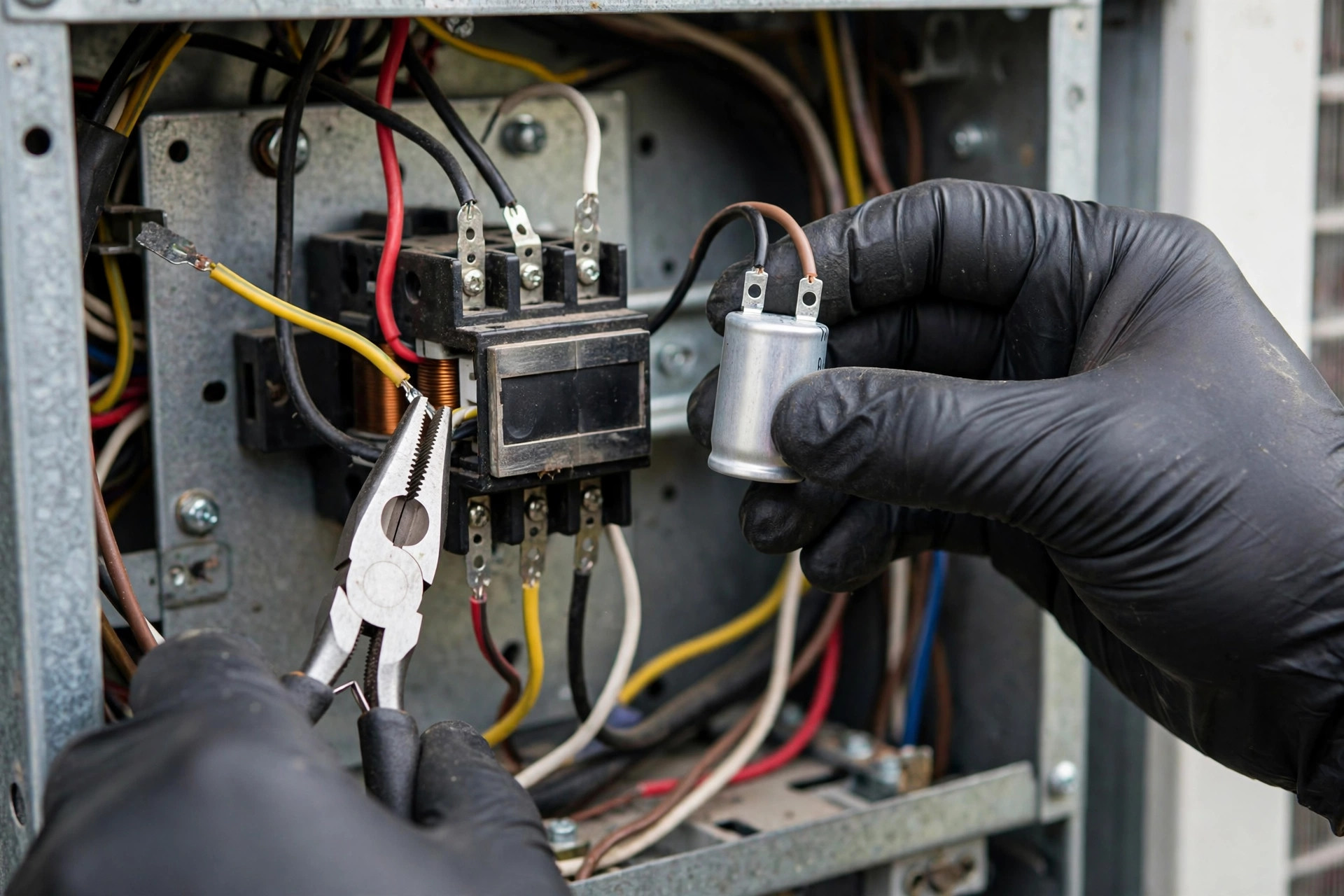
A legitimate plan should always include, at minimum:
- Two seasonal tune-ups per year — one before cooling season, one before heating season. A real tune-up is a 45–90 minute, multi-point visit: condenser coil and evaporator coil cleaning and inspection, refrigerant level checks, condensate drain flushing, electrical testing of the capacitor and contactor, thermostat calibration, air handler inspection, and ductwork airflow checks.
- Priority scheduling. When the summer rush hits and wait times stretch to days, plan members go to the front of the line. On Marco Island, where a failed system in August is a genuine emergency, that is worth more than it sounds.
- Repair discounts. 10–20% off parts and labor on repairs is standard, and some plans include a reduced or waived diagnostic fee.
- Warranty protection. Many equipment manufacturers require proof of regular professional maintenance to honor warranty claims. A plan gives you documented service records automatically.
For most households, the math works: two tune-ups alone would cost roughly what the plan costs, and the repair discount covers the rest the first time you need a real HVAC repair.
Are Maintenance Plans Worth It on Marco Island?
Marco Island's coastal climate makes the case stronger than in most places:
- Salt air corrodes faster. Condenser coils live outside, breathing salty Gulf air year-round. Corrosion buildup chokes airflow and forces the system to work harder — coil cleaning during a tune-up directly addresses this.
- Humidity clogs condensate drains. In a climate this humid, the condensate drain line runs constantly. Algae and biological growth can plug it in a season, backing water up into the air handler. Drain flushing is a standard tune-up item and cheap insurance against water damage.
- Seasonal homes are vulnerable. Many Marco Island homes sit vacant for months. Systems that sit idle in heat and humidity can develop clogged drains, corroded electrical connections, and pest-damaged wiring. A spring tune-up before you return catches all of it.
- Efficiency pays for itself. A well-maintained system can lower energy bills by 5–15%, according to industry data — in a Florida summer, that alone can cover the plan cost.
There is also a warranty angle: if your system is still under the manufacturer's parts warranty, keeping maintenance records is usually required to keep that coverage valid. A plan makes those records automatic.
Red Flags: When a "Deal" Is Really a Trap
Now the part that matters most. The HVAC industry has a well-documented bait-and-switch problem, and it usually starts with a coupon that seems too good to be true.
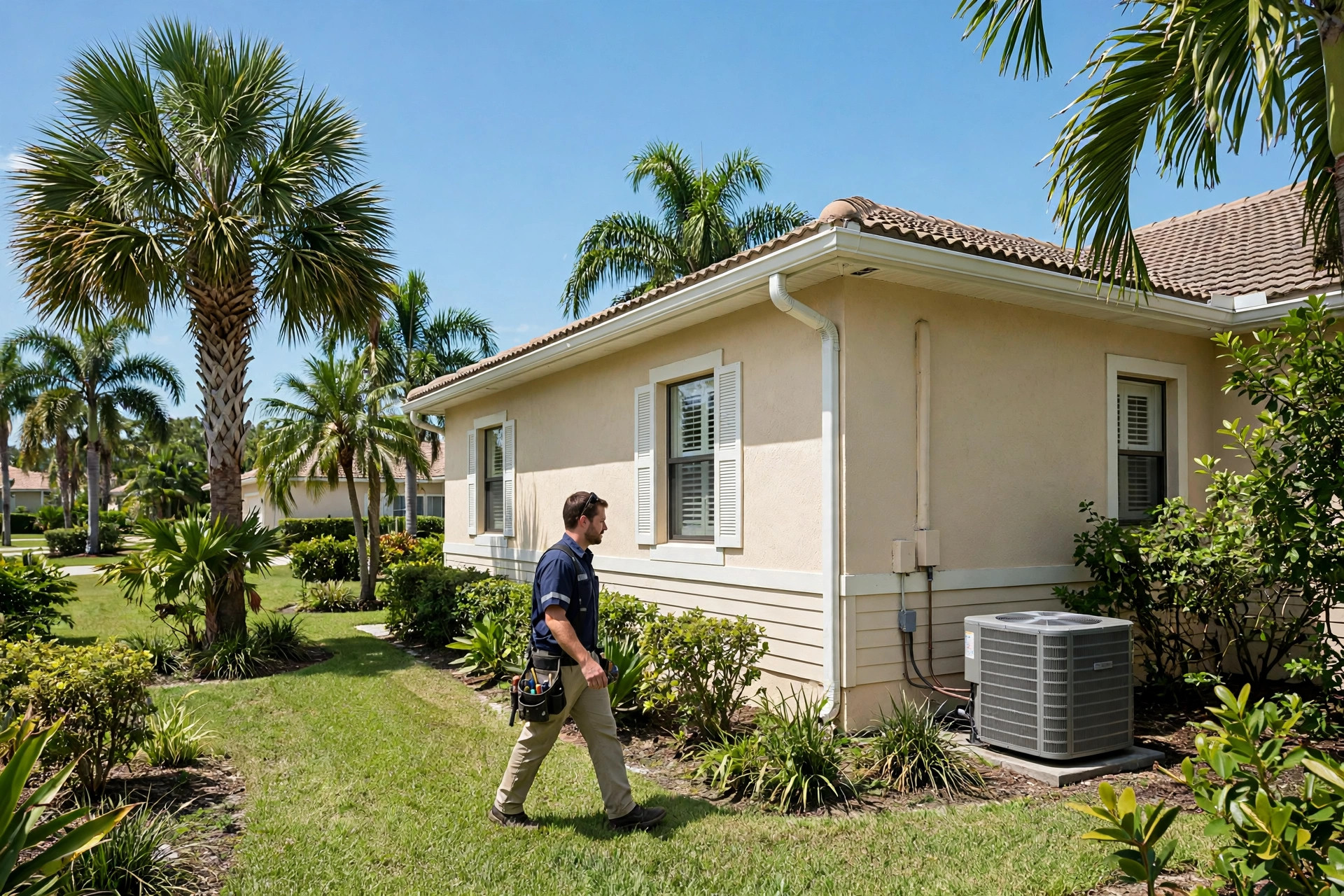
The $29 (or $49) tune-up. Industry analysts note it costs roughly $75–$120 in labor to send a technician out for 45–60 minutes of genuine work. A company charging $29 or $49 for a "tune-up" is either subsidizing the visit with upsells or cutting the service short. These visits exist to get a salesperson into your home — they often end with a scare-story pitch for thousands of dollars in unnecessary work.
Watch for these specific red flags, documented by consumer watchdogs and honest contractors:
- Price far below market. Anything under $75 for a full tune-up should raise an eyebrow.
- Commission-based technicians. Ask directly how the tech is paid. Evasive answers usually mean commission — and commission techs are incentivized to find problems.
- A replacement recommendation on the first visit. A legitimate tune-up produces a maintenance report. A full system replacement pitch on a routine visit — especially for a system under 12 years old — deserves a second opinion.
- "Today-only" pricing. No legitimate price expires because you wanted a day to think. The urgency exists because homeowners who sleep on it get second opinions.
- Refusal to provide written findings. If you cannot take the diagnosis to another company for verification, that tells you it would not survive scrutiny.
- A "comfort advisor" who shows up uninvited. You booked a tune-up. If a second person appears without tools, your service appointment has become a sales appointment.
Two more classics: the refrigerant recharge without a leak repair (a sealed system does not lose refrigerant unless something is leaking — recharging it without fixing the leak just guarantees a repeat visit), and the "R-22 is illegal" scare (new R-22 production ended in 2020, but reclaimed refrigerant is still legal and available; expensive does not mean you must replace immediately).
Protect yourself the same way every time: get itemized written quotes before work begins, insist on written findings you can verify, get a second opinion before any major repair or replacement, and check reviews. A legitimate company welcomes scrutiny — a scammer relies on urgency.
Smart Ways Marco Island Homeowners Actually Save
If we step back, the coupons that matter most are the ones tied to real behavior:
- Make maintenance the discount. The 5–15% energy savings from a well-maintained system, the 85% of emergency breakdowns that regular service can prevent, and the repair discounts inside a maintenance plan dwarf what any coupon will save you.
- Time big purchases to promotions. If you are weighing AC replacement, manufacturer rebates and seasonal promotions cluster in spring and fall. Ask any contractor about current incentives before you sign.
- Book tune-ups before peak season. Pre-season appointments are cheaper and easier to schedule than mid-August emergencies.
- Ask. Whether it is a first-time-customer code, a senior discount, or a standing seasonal special, the worst that happens is a no. When you call Marco Island AC Services at +1 (239) 880-1889, ask whether any current offers apply to your visit — and if you are considering a system upgrade, ask about our AC installation consultation, where a free in-home estimate is standard.
Coupons are fine. Plans are often better. But the biggest deal in HVAC is the same as it has always been: a properly maintained system that does not break down on the hottest day of the year.